Psilocybin improves sleep quality in patients with chronic cluster headaches
Posted: 7/2/2026Psilocybin could help patients with chronic cluster headaches sleep better, according to a recent study in the Journal of Psychopharmacology. Researchers also noted subtle shifts in brain microstructure that tend to accompany these improvements in rest.
10 Brutal Questions To Ask Yourself Before Blasting Off
Posted: 6/28/2026The worst trainwreck psychedelic trips I’ve ever witnessed? Zero to do with the shrooms themselves. The culprit was always the same: some reckless idiot who couldn’t spare five minutes of honest self-reflection before diving headfirst into the void.
An 80-year-old woman with advanced Alzheimer’s regained speech and mobility after taking psilocybin
Posted: 6/26/2026After years of severe decline, an 80-year-old woman with advanced Alzheimer’s temporarily regained her ability to speak, walk, and interact with family following a massive dose of psilocybin mushrooms, according to a striking new case report.

Pairing Psilocybin With Stillness Could Permanently Rewire the Brain
Posted: 6/16/2026Researchers aim to discover if mindfulness practices can provide the cognitive scaffolding necessary to sustain the intense neuroplastic states and narrative deconstruction induced by psilocybin therapy.
Psilocybin Unlocks Lost Memories in an Alzheimer’s Patient
Posted: 6/14/2026A new study demonstrates that a single dose of psilocybin-containing mushrooms temporarily restored spontaneous speech, motor independence, and urinary continence in an 80-year-old woman with advanced Alzheimer's disease.
A single dose of psilocybin provides months of relief from chronic suicidal thoughts in new study
Posted: 6/14/2026A recent study in The Journal of Clinical Psychiatry suggests that a single dose of psilocybin, paired with psychological support, may rapidly and safely reduce chronic suicidal thoughts in adults with severe, treatment-resistant depression.
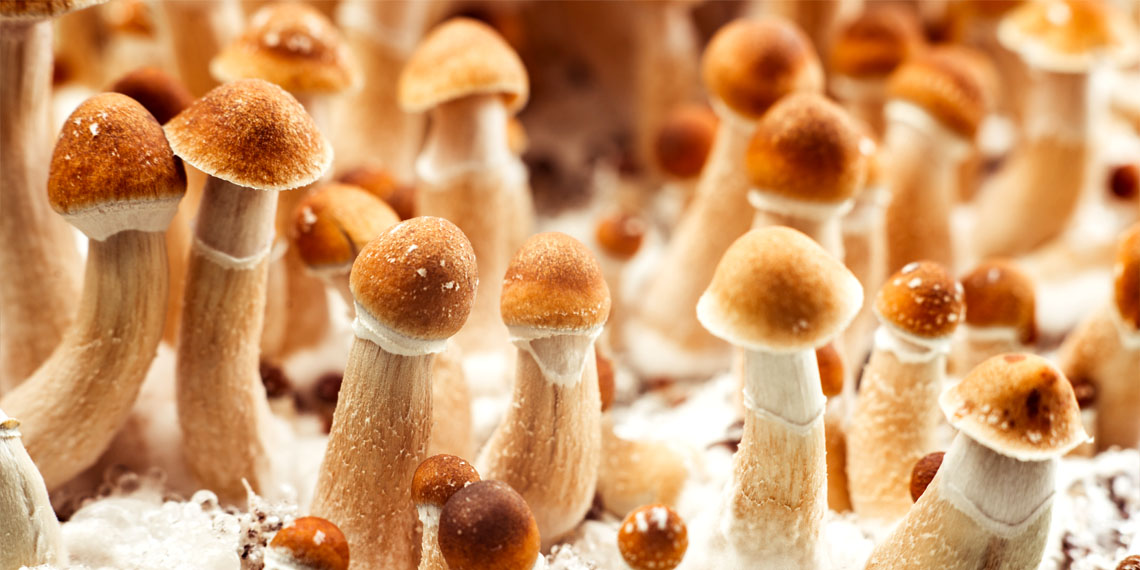
Psychedelic therapy standardized for clinical depression shows massive promise in pilot trial
Posted: 6/8/2026A new pilot study suggests that combining the psychedelic compound psilocybin with cognitive behavioral therapy is well-tolerated and highly effective at reducing symptoms of clinical depression. Researchers observed profound improvements in patients' moods and emotional regulation.
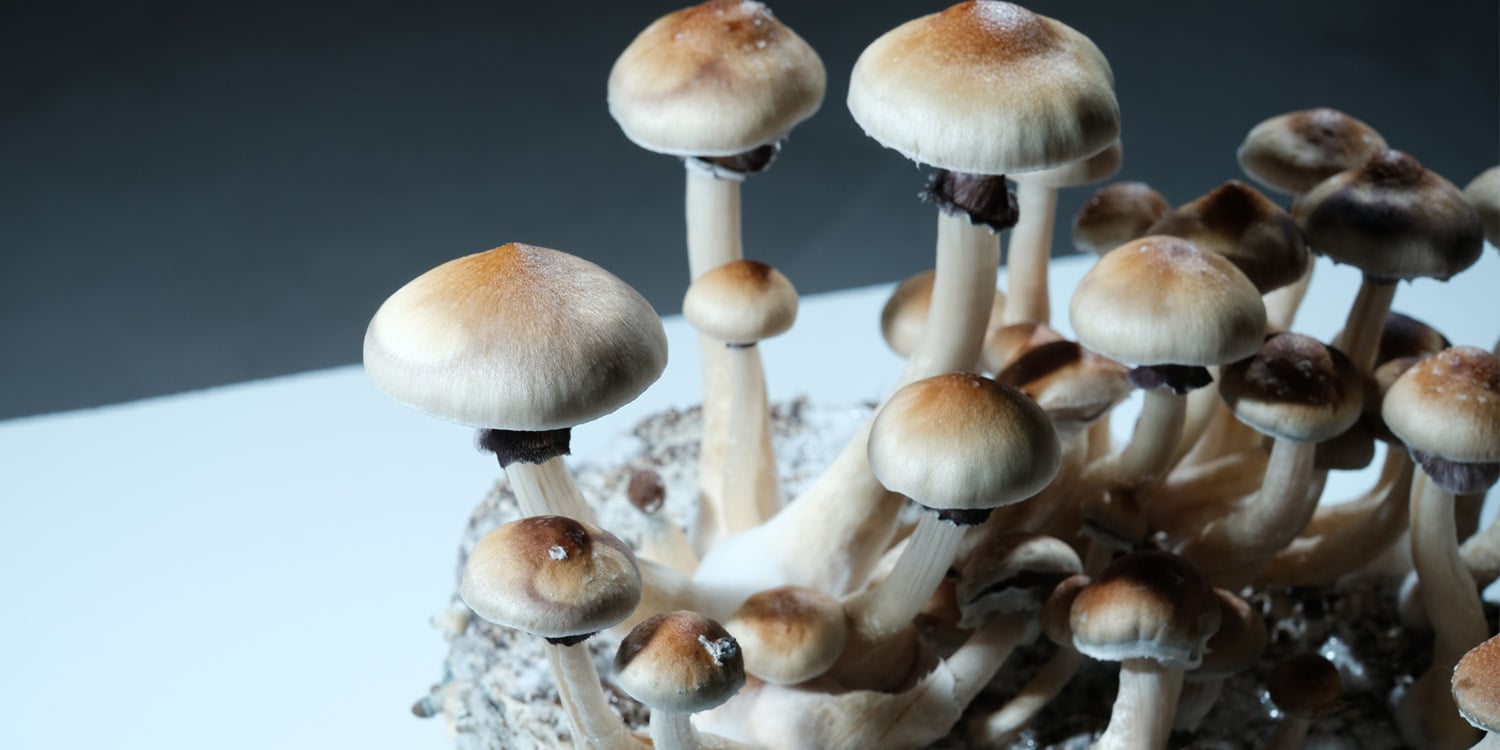
Who is using psilocybin? First national survey reveals demographics of magic mushroom users
Posted: 6/7/2026A major national survey reveals that 2.8% of Americans over the age of 12 used psilocybin in 2024. The study found strong links between magic mushroom use, cannabis consumption, and recent struggles with depression.
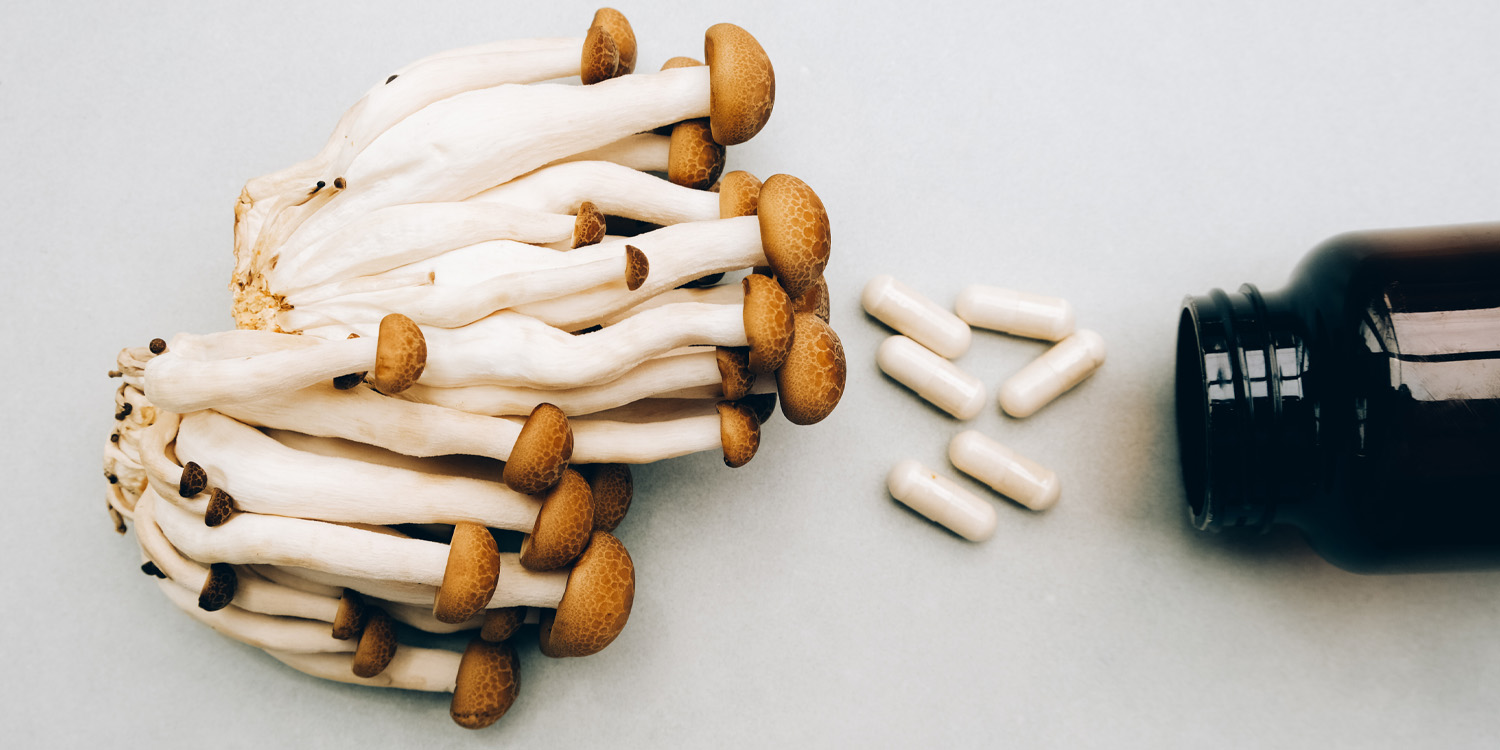
Magic mushroom compound enhances the effectiveness of a common nerve pain medication
Posted: 6/5/2026New research shows that psilocybin, the active compound in magic mushrooms, reduces chronic nerve pain in mice. It also significantly enhances the performance of common pain drugs, suggesting the psychedelic might fundamentally rewire how the brain processes pain.
The Mathematical Architecture of Altered Consciousness
Posted: 6/3/2026New research outlines a rigorous plan to map the mathematical architecture of human experience using the compound N,N-dimethyltryptamine (DMT).

Psilocybin Resets Brain Pain Networks and Boosts Painkillers
Posted: 5/22/2026A single dose of psilocybin provides up to a month of nerve pain relief and fundamentally supercharges the efficacy of traditional painkillers.

Leap – Pure Escape
Posted: 5/19/2026Sociedelic Sociedelic - Psychedelic Society Community and News There are nights when we want to dive inward, to sit with our shadows and unpack the soul. And then there are nights when the call is the opposite — when what we really need is to step out of the body for a while, drift somewhere weightless, and let the music carry us. Leap, […] The post Leap – Pure Escape appeared first on Sociedelic.

Single Psilocybin Dose Sparks Rapid Depression Remission
Posted: 5/15/2026Can a single dose of psilocybin replace daily antidepressants? A new randomized clinical trial shows that a 25 mg dose of the psychedelic compound delivers rapid, clinically meaningful symptom reductions for common depression in just 48 hours.
Estrogen levels may dictate how the brain reacts to psychedelics, new animal study indicates
Posted: 5/14/2026A new study reveals that a rodent's age and reproductive cycle strongly influence its response to psilocybin, pointing toward a need for customized psychiatric drug treatments across different patient demographics.

Psilocybin Rebuilds the Brain’s Physical Wiring
Posted: 5/7/2026New research from UCSF shows that a single high dose of the psychedelic compound creates lasting anatomical changes in brain tracts and "loosens" rigid thought patterns, leading to significant improvements in psychological insight and well-being that persist for over a month.

Psychedelic science breakthrough: Increased brain entropy from psilocybin predicts lasting psychological insight and well-being
Posted: 5/5/2026A single high dose of psilocybin can cause lasting physical changes in the human brain. Scientists found that temporary increases in brain randomness during the experience predict improved well-being and mental flexibility for at least a month.

A single dose of psilocybin outperforms nicotine patches for quitting smoking
Posted: 4/27/2026A single dose of psilocybin paired with behavioral therapy proved remarkably effective at helping cigarette smokers quit. A new clinical trial shows the psychedelic intervention substantially outperformed standard nicotine patches over a six-month tracking period.

Repeated doses of psilocybin show promise for treating obsessive-compulsive disorder
Posted: 4/25/2026A new clinical trial suggests that repeated doses of psilocybin can safely reduce symptoms of obsessive-compulsive disorder. The findings provide evidence that multiple weekly treatments offer lasting relief for those struggling with traditional therapies.

Brain waves predict the intensity of magic mushroom trips
Posted: 4/22/2026A quick scan of your resting brain waves might hold the secret to predicting how intensely you will react to psilocybin, offering doctors a potential new tool for personalizing psychedelic therapy.
‘CAN I HAVE SOME?’ TRUMP ASKS FOR PSYCHEDELICS AS HE SIGNS EXECUTIVE ORDER FOR MAGIC MUSHROOMS AND TOAD DRUGS
Posted: 4/19/2026From the Border Wall to the K-Hole: President demands ibogaine, Rogan texts from the couch, and RFK Jr. watches it all happen

Psychedelic therapy and traditional antidepressants show similar results under open-label conditions
Posted: 4/14/2026Recent research is dampening the hype around psychedelic therapy. By adjusting for how clinical trials are designed, scientists found that drugs like LSD and psilocybin offer similar depression relief to traditional antidepressants, rather than vastly superior results.
How Science Solved the Mystery of the Psychedelic High
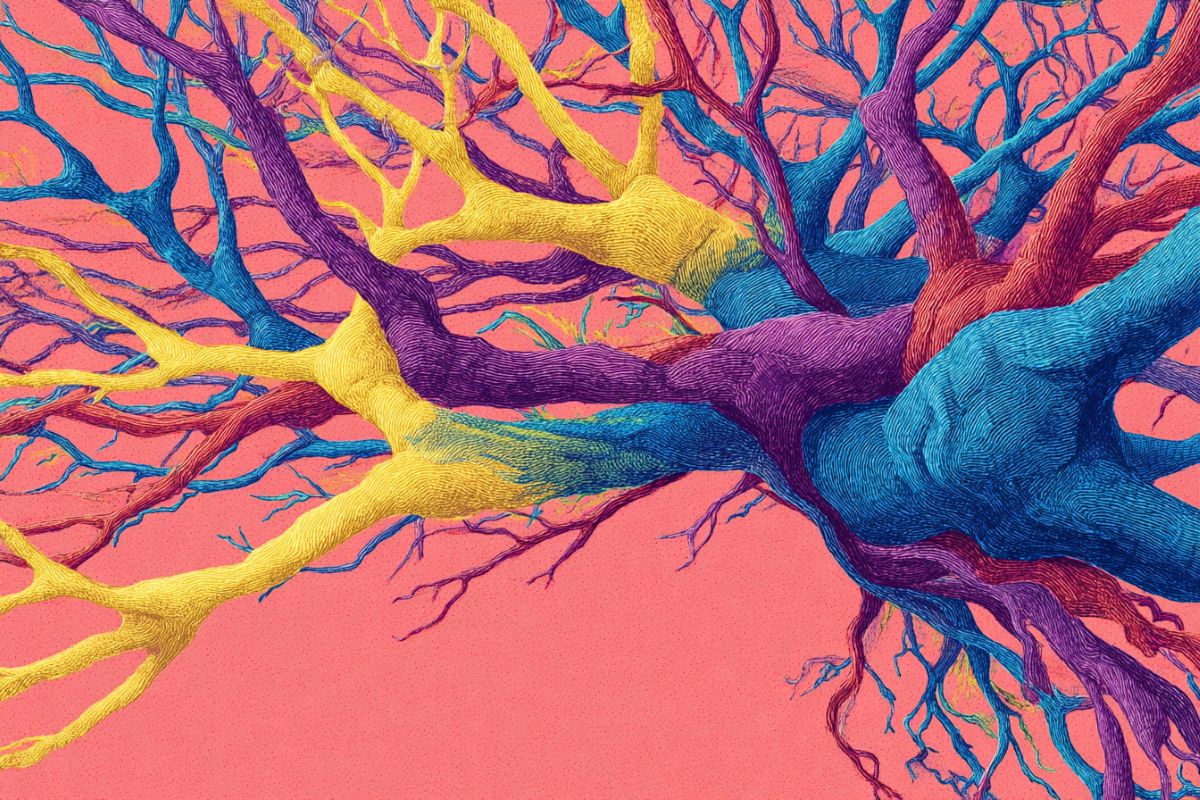
Posted: 4/8/2026A massive international study identifies a universal pattern of brain activity across psilocybin, LSD, DMT, and more. Researchers found that all major psychedelics dissolve brain network boundaries, triggering global "cross-talk."

Psilocybin slows down human reaction times and impairs executive function during the acute phase of use
Posted: 4/5/2026A new analysis reveals that psilocybin temporarily slows down human reaction times and mildly impairs executive functions. The findings highlight the need for safety protocols as psychedelic therapies move closer to widespread clinical acceptance.
Science Nerds Just Created The Ultimate Trip Plant
Posted: 4/5/2026Tobacco leaves laced with shrooms, toad venom, and ayahuasca? Pass the seeds, dude.

Can a psychedelic journey change what you value most?
Posted: 4/4/2026A recent trial involving healthy volunteers demonstrates that a single dose of psilocybin can prompt lasting changes in personal values, increasing self-acceptance and appreciation for life through acute feelings of spiritual euphoria and profound unity.

The Complete Science of Cannabis Seed Preservation
Posted: 3/31/2026Sociedelic Sociedelic - Psychedelic Society Community and News Every cannabis seed is a time capsule. Sealed inside that small, tiger-striped shell is an embryo suspended in metabolic dormancy — alive, but barely breathing. Under the right conditions, that embryo can remain viable for years. Under the wrong ones, it can die in a matter of weeks. The difference between a seed that pops […] The post The Complete Science of Cannabis Seed Preservation appeared first on Sociedelic.
A new study measures the temporal distortions caused by psychedelics
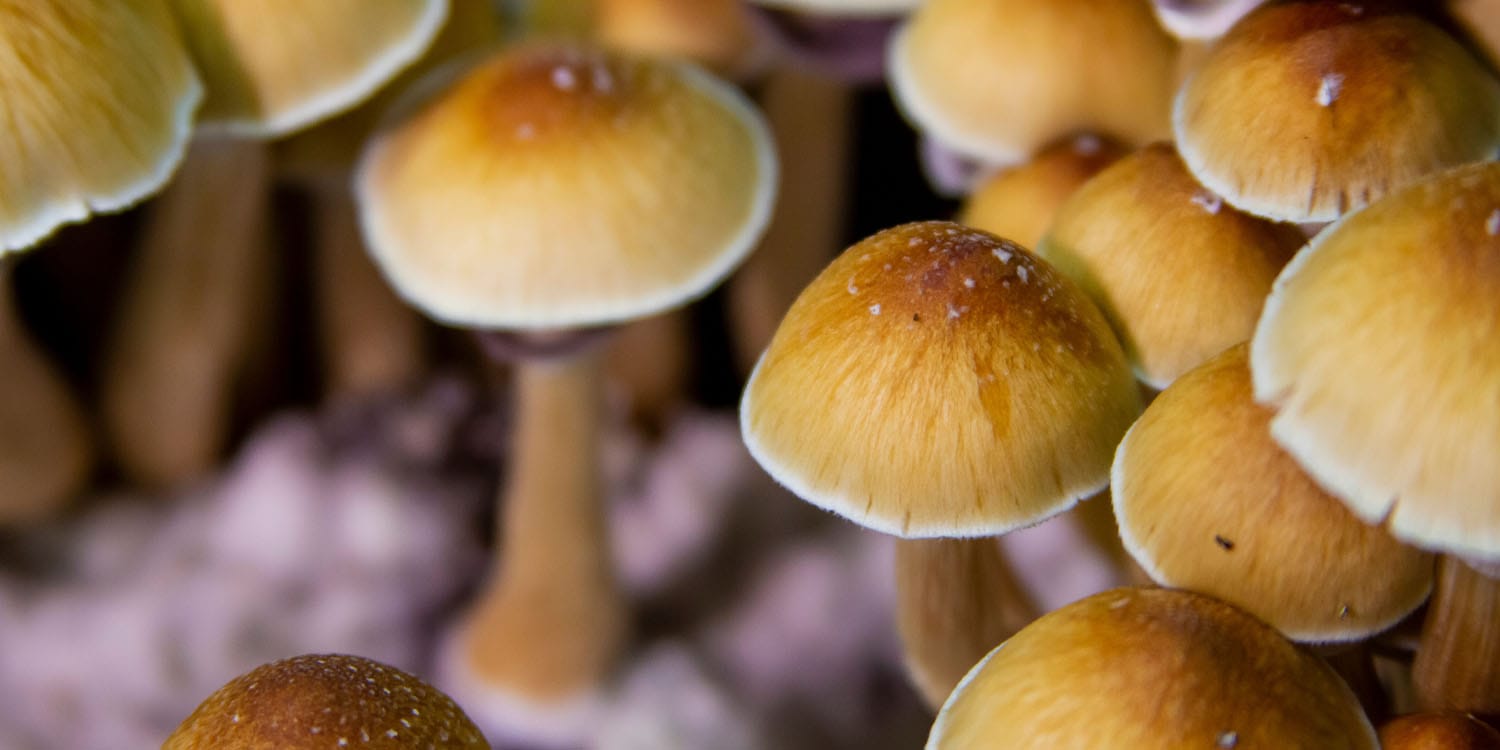
Posted: 3/26/2026A placebo-controlled experiment reveals how psilocybin changes human time perception. By testing volunteers on a visual timing task, researchers found the psychedelic compound causes people to underestimate durations and feel time passing much slower than normal.