
First human trial of psilocin since the 1960s reveals better tolerability than psilocybin
Posted: 9/5/2026A new study suggests that consuming psilocin directly—rather than its precursor, psilocybin—provides a similar psychedelic experience with fewer side effects. Researchers also found that taking the drug under the tongue produced emotional breakthroughs despite milder effects.
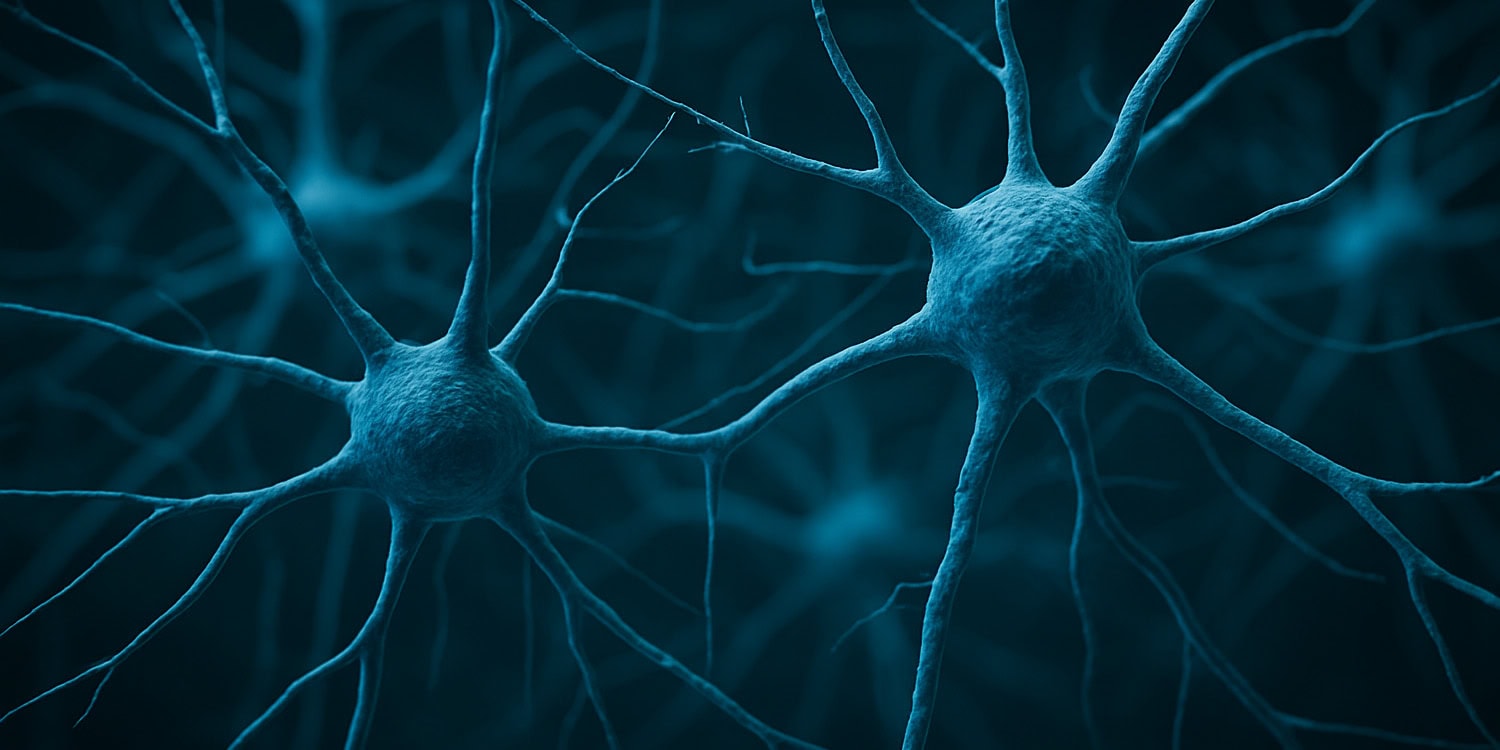
Psilocin triggers rapid neural growth in laboratory study
Posted: 9/3/2026Psilocin, the active compound in magic mushrooms, promotes the rapid growth of neural connections in laboratory settings. A new study reveals how these structural changes match the effects of established psychiatric drugs like ketamine and lithium.
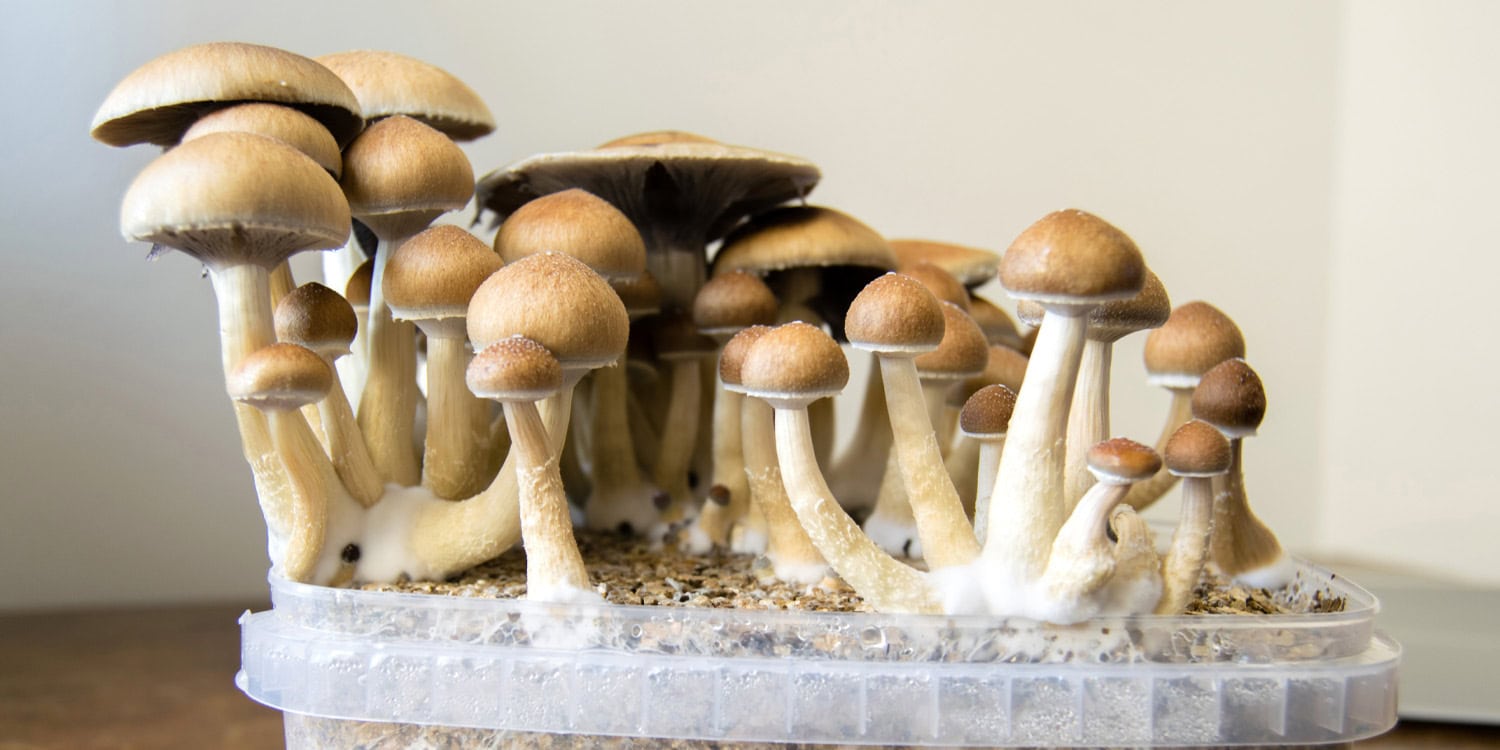
Psilocybin therapy shows strong potential for treating cocaine addiction
Posted: 9/2/2026Two new studies suggest psychedelic compounds could help treat cocaine addiction. A human trial found psilocybin combined with therapy reduced cocaine use, while an animal study indicated that environmental support is needed to prevent long-term relapse.

Psilocybin reverses depressive behaviors and restores brain cell growth in stressed rats
Posted: 8/29/2026Two low doses of psilocybin helped chronically stressed rats recover their ability to experience pleasure while reducing anxiety. The psychedelic compound also promoted the birth of new neurons and normalized stress hormone levels.
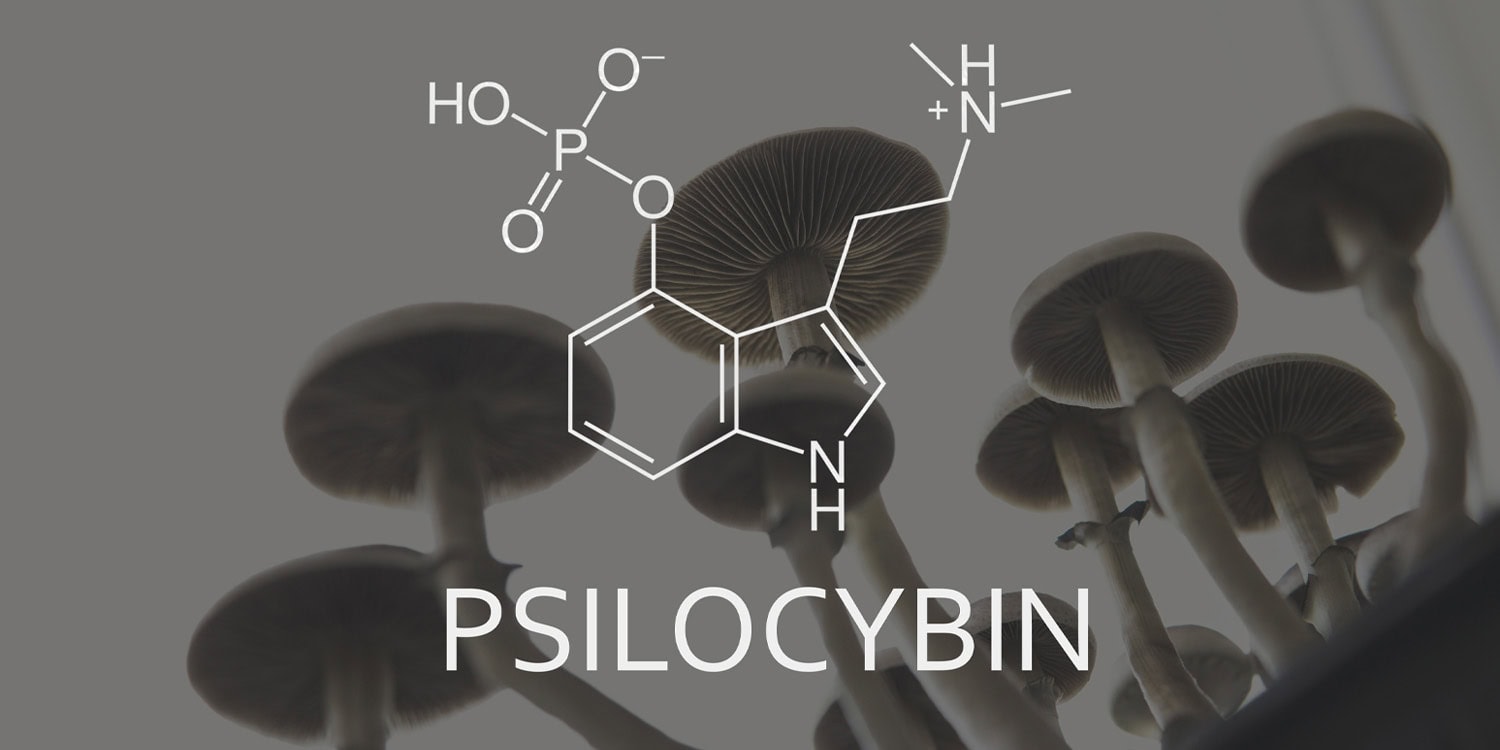
Psychedelic drug calms hyperactive brain cells linked to chronic pain
Posted: 8/16/2026A single dose of psilocybin rapidly relieved both chronic pain and depression-like symptoms in mice. Researchers discovered the psychedelic compound works by calming hyperactive neurons in a specific brain region associated with both conditions.

Daily, but not weekly, psilocin mucate lowers cortisol and anxiety in stressed rats
Posted: 8/13/2026A new study reveals that daily doses of psilocin mucate, a stable derivative of the psychedelic compound psilocybin, significantly reduced anxiety and stress hormones in rats. However, weekly dosing did not produce the same anti-anxiety benefits.
Psilocybin combined with talk therapy shows potential for treating anorexia nervosa
Posted: 8/9/2026Anorexia nervosa is notoriously difficult to treat, often resisting standard care. Now, a new pilot study suggests that psilocybin therapy, paired with psychological support, could safely help reduce eating disorder symptoms and boost the motivation to recover.
Why Psychedelics Make Everything Feel Deeply Connected
Posted: 8/7/2026A new study introduces "apical hypercontextualisation," explaining how psychedelics target serotonin receptors on layer V pyramidal neurons to shift brain processing from raw sensory input toward associative context.
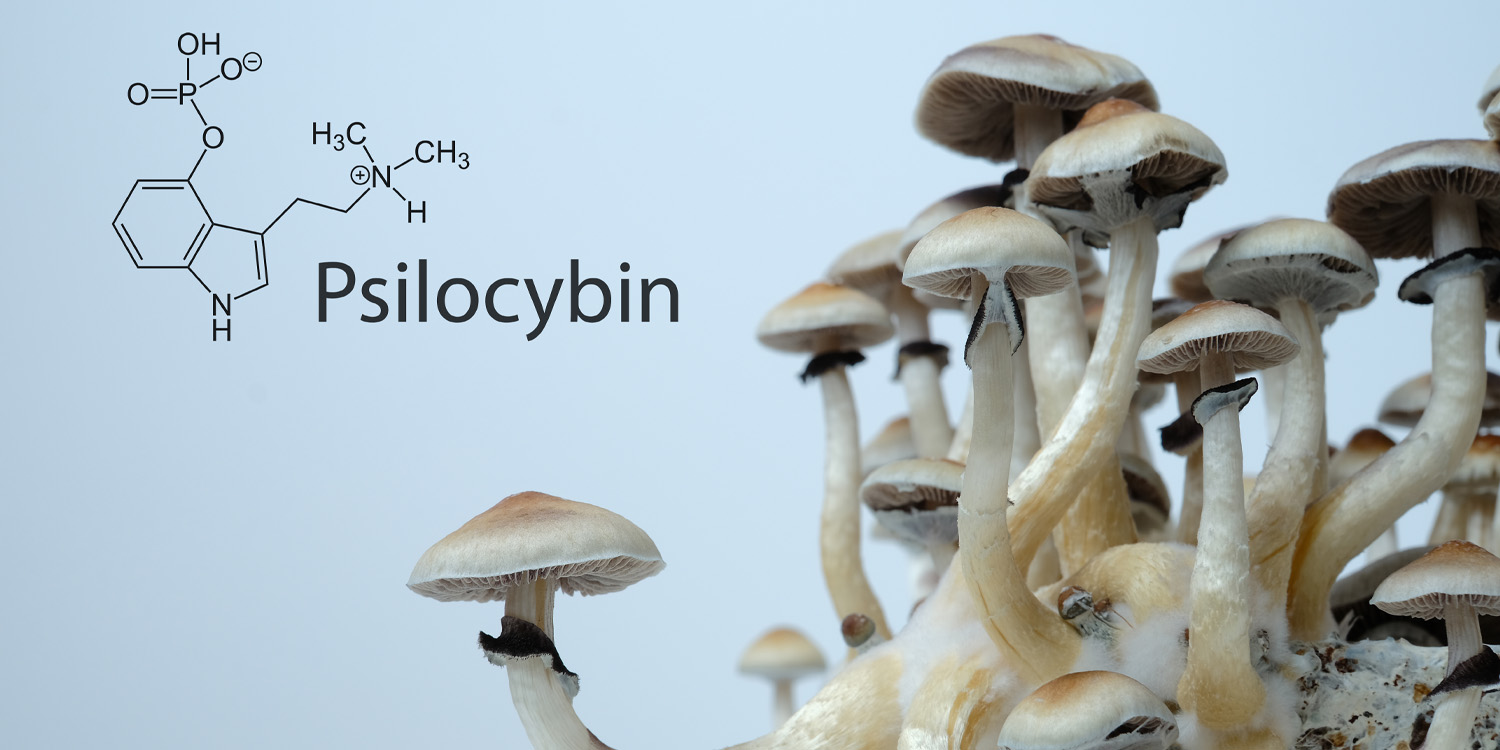
Psilocybin therapy sessions for PTSD are mostly silent, study finds
Posted: 8/7/2026New research indicates that psilocybin treatment for PTSD involves very little talking. Instead of traditional psychotherapy, data suggests patients benefit most from the quiet, unobtrusive presence of support staff.
Psilocybin increases brain flexibility and shifts information flow weeks after use
Posted: 8/2/2026A single dose of psilocybin can alter brain communication for up to a month. New research suggests the psychedelic increases brain flexibility and shifts information flow, offering clues to its lasting effects on mental health.
Psychedelics and Ketamine Rewire Brain Immune Signals in Depression
Posted: 8/1/2026Ketamine and psychedelics share a neuroimmune signaling pathway involving IL-15 and IL-7, offering blood-based biomarkers to predict antidepressant response.
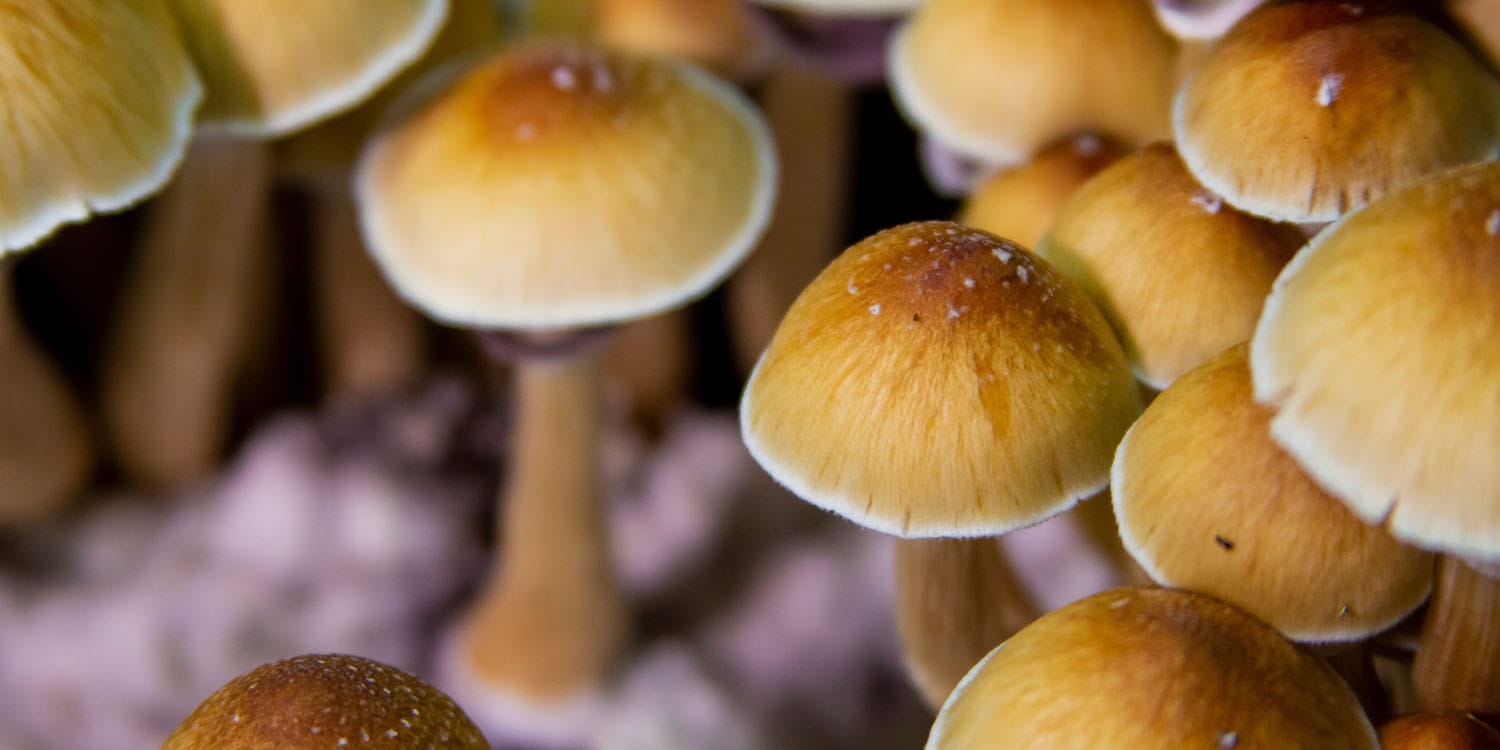
Occasional magic mushroom use linked to better mental health among alcohol drinkers
Posted: 8/1/2026Researchers analyzing nationwide survey data found that adults using psilocybin infrequently alongside alcohol reported less anxiety and depression than non-psilocybin users, suggesting potential benefits outside clinical settings.
Psilocybin Therapy Drives 75% PTSD Remission
Posted: 7/30/2026A new study demonstrates that psilocybin-assisted therapy is safe and achieves a 75% remission rate in veterans with severe, treatment-resistant PTSD.
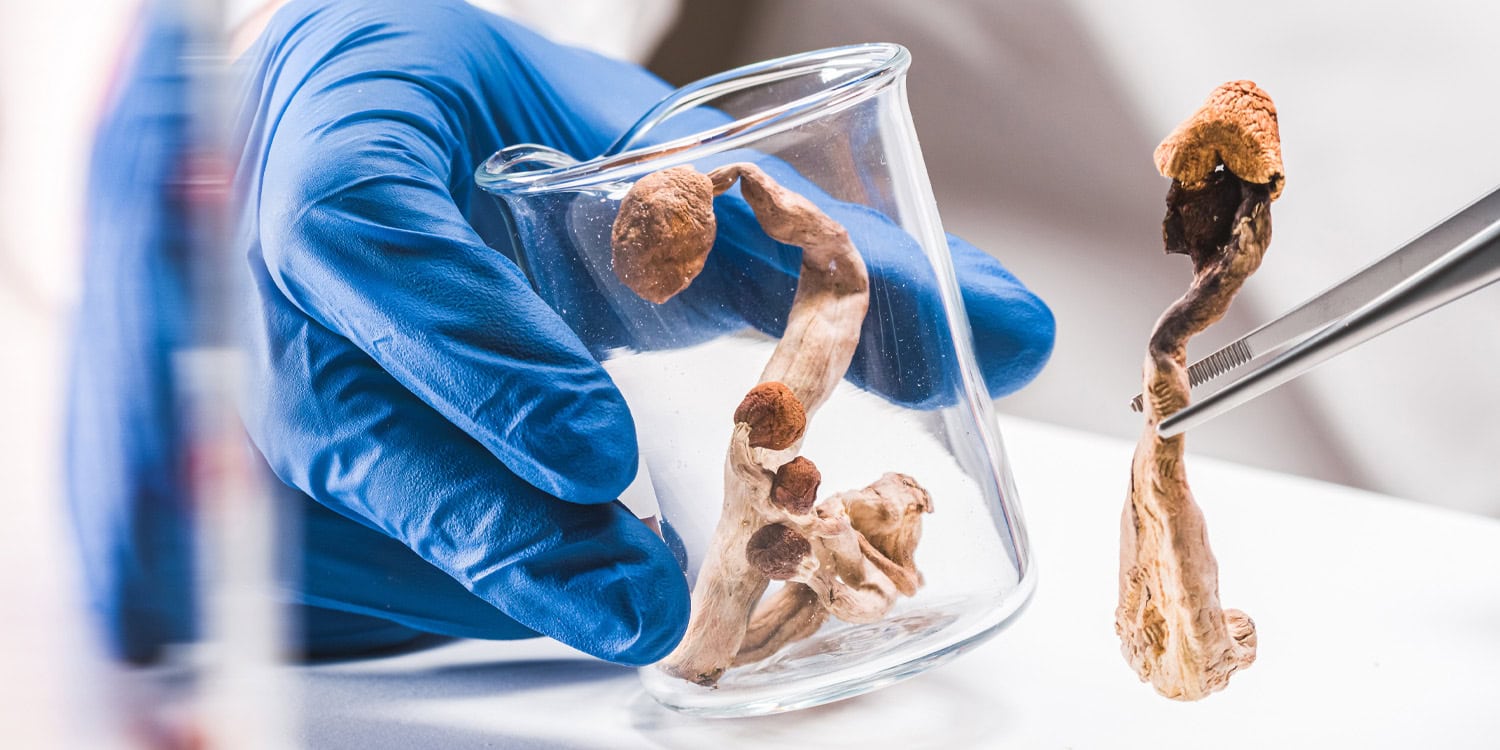
Psilocybin-assisted therapy shows promise for veterans with severe, treatment-resistant PTSD
Posted: 7/30/2026A pilot clinical trial suggests that psilocybin combined with psychotherapy is safe and well-tolerated by veterans with severe, treatment-resistant PTSD. The study found that most participants no longer met the diagnostic criteria for PTSD.
Magic mushroom compound could help defend skin against premature aging
Posted: 7/27/2026New research indicates that psilocybin, the active compound in magic mushrooms, might protect human skin cells from premature aging. In laboratory tests, the psychedelic compound reduced inflammation and cellular stress caused by high sugar and fat levels.
Psychedelic Trips Can Halt Political Hate
Posted: 7/5/2026The collective cultural mood surrounding a psychedelic experience shapes its psychological aftermath. Participants whose most intense trips occurred on the Fourth of July reported a long-term decrease in support for partisan violence, while those whose experiences coincided with national party conventions or election season demonstrated an increase in violent partisan support.
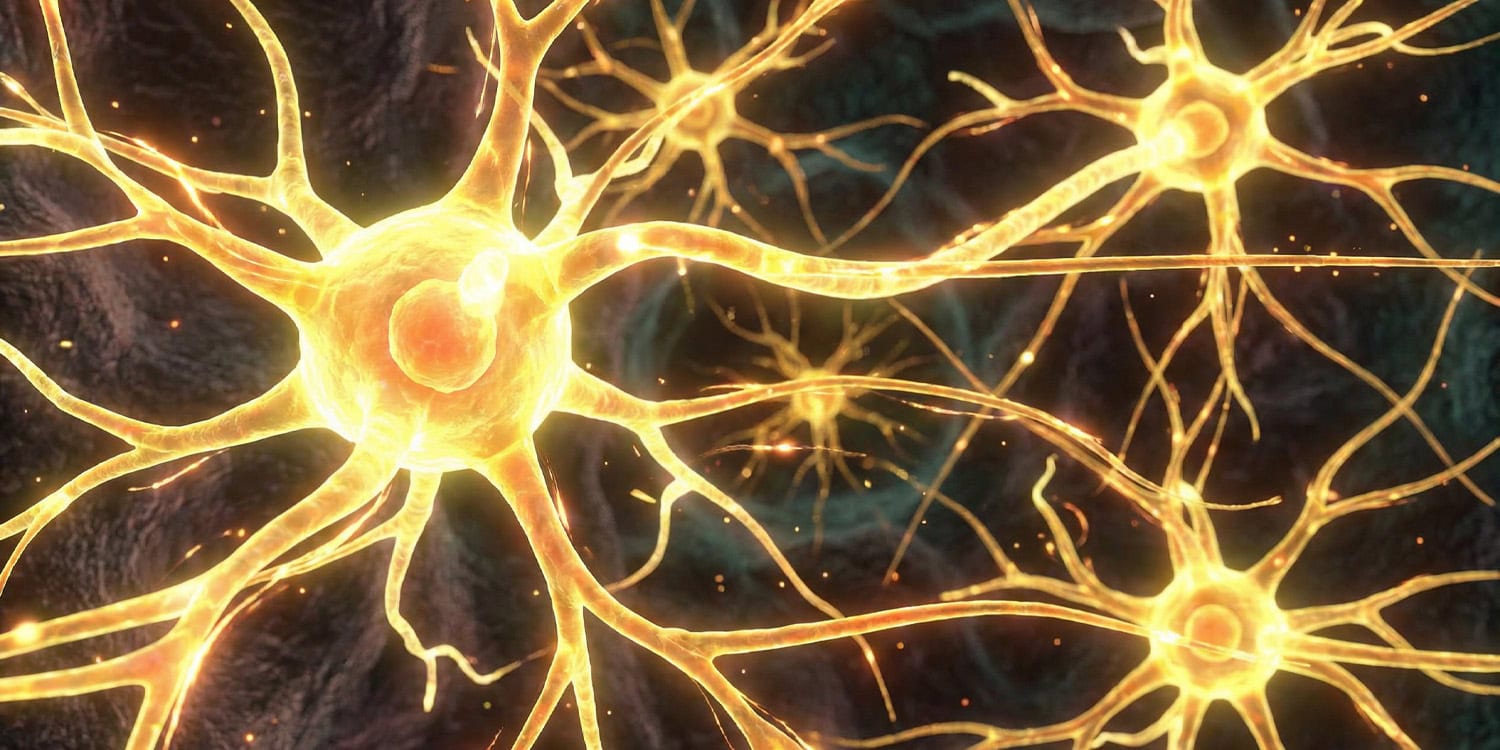
A single dose of psilocybin reduces reward-seeking behavior by altering inhibitory brain cells
Posted: 7/3/2026A single dose of psilocybin reduces the drive to seek out rewards by increasing the activity of inhibitory brain cells. These findings help explain how psychedelics might induce long-lasting changes in brain circuits to treat substance use disorders.
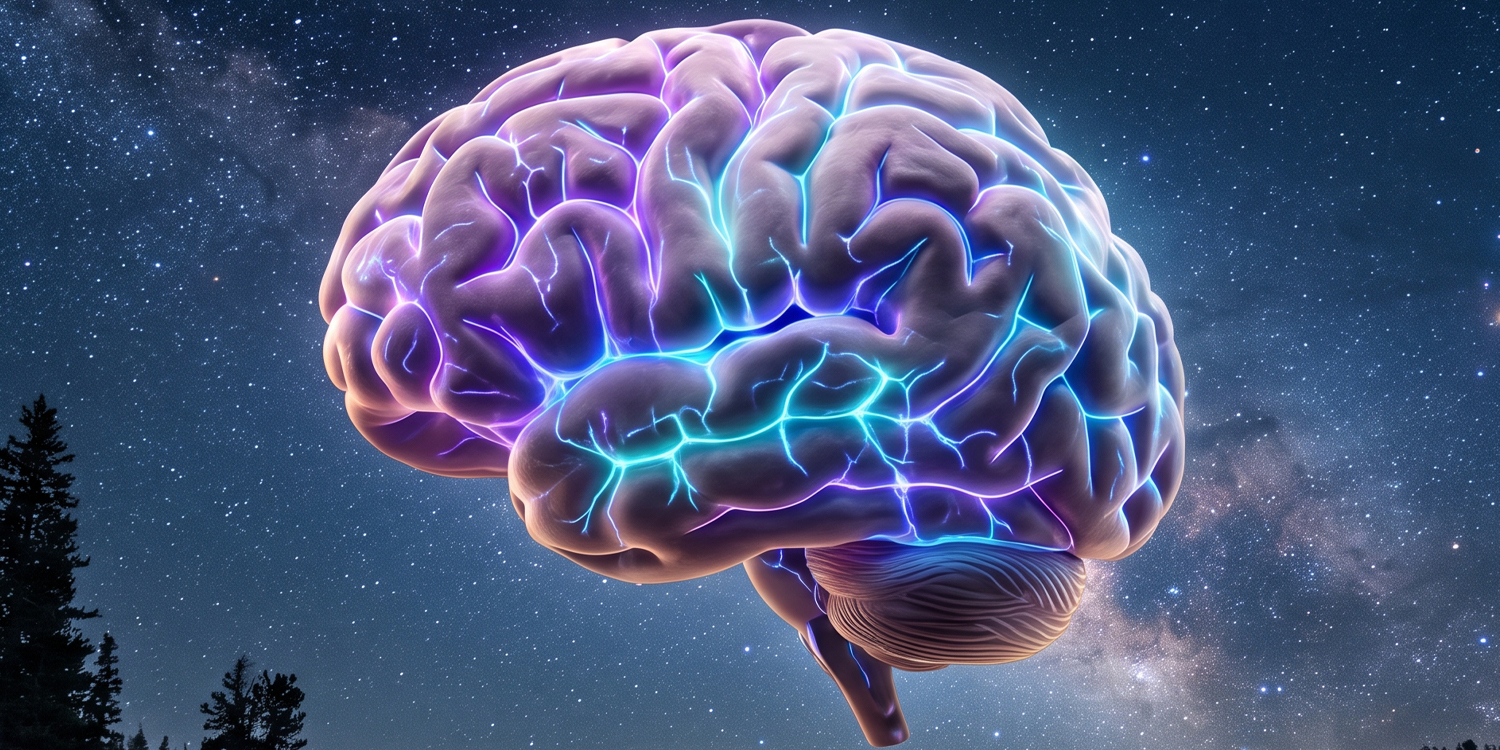
Psilocybin improves sleep quality in patients with chronic cluster headaches
Posted: 7/2/2026Psilocybin could help patients with chronic cluster headaches sleep better, according to a recent study in the Journal of Psychopharmacology. Researchers also noted subtle shifts in brain microstructure that tend to accompany these improvements in rest.
10 Brutal Questions To Ask Yourself Before Blasting Off
Posted: 6/28/2026The worst trainwreck psychedelic trips I’ve ever witnessed? Zero to do with the shrooms themselves. The culprit was always the same: some reckless idiot who couldn’t spare five minutes of honest self-reflection before diving headfirst into the void.
An 80-year-old woman with advanced Alzheimer’s regained speech and mobility after taking psilocybin
Posted: 6/26/2026After years of severe decline, an 80-year-old woman with advanced Alzheimer’s temporarily regained her ability to speak, walk, and interact with family following a massive dose of psilocybin mushrooms, according to a striking new case report.

Pairing Psilocybin With Stillness Could Permanently Rewire the Brain
Posted: 6/16/2026Researchers aim to discover if mindfulness practices can provide the cognitive scaffolding necessary to sustain the intense neuroplastic states and narrative deconstruction induced by psilocybin therapy.
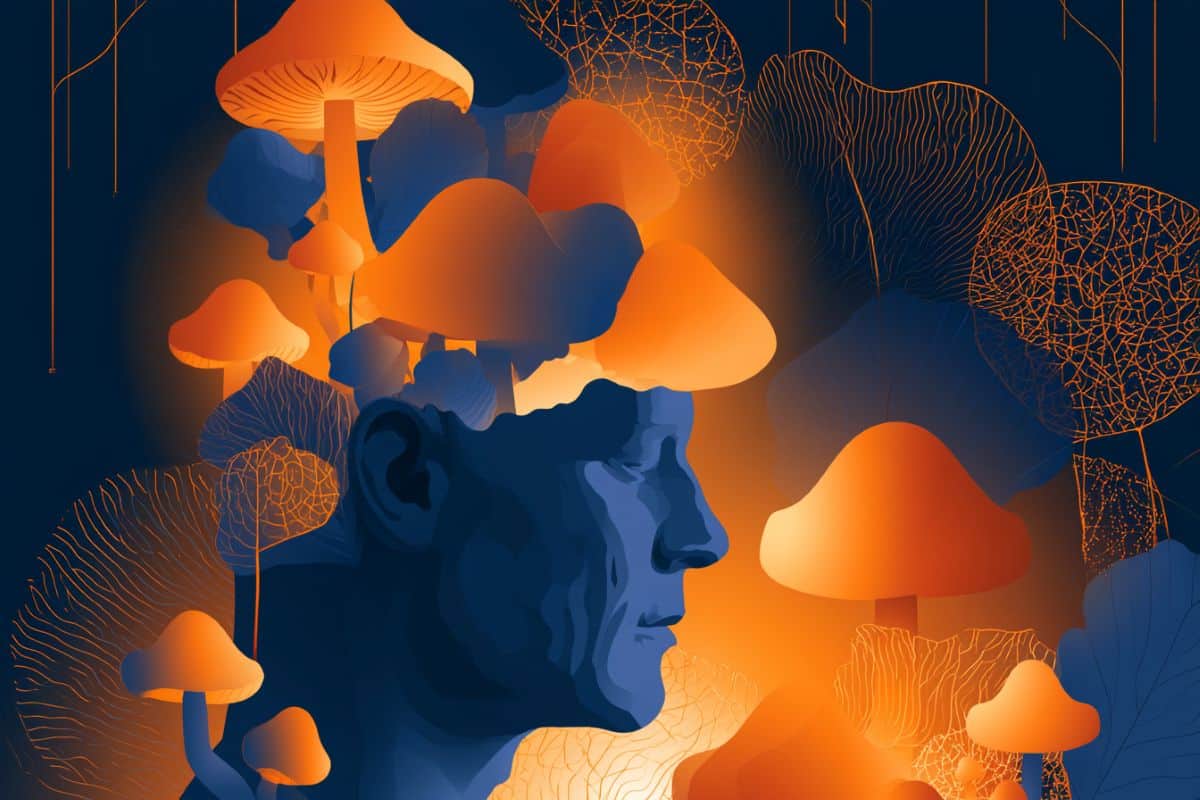
Psilocybin Unlocks Lost Memories in an Alzheimer’s Patient
Posted: 6/14/2026A new study demonstrates that a single dose of psilocybin-containing mushrooms temporarily restored spontaneous speech, motor independence, and urinary continence in an 80-year-old woman with advanced Alzheimer's disease.
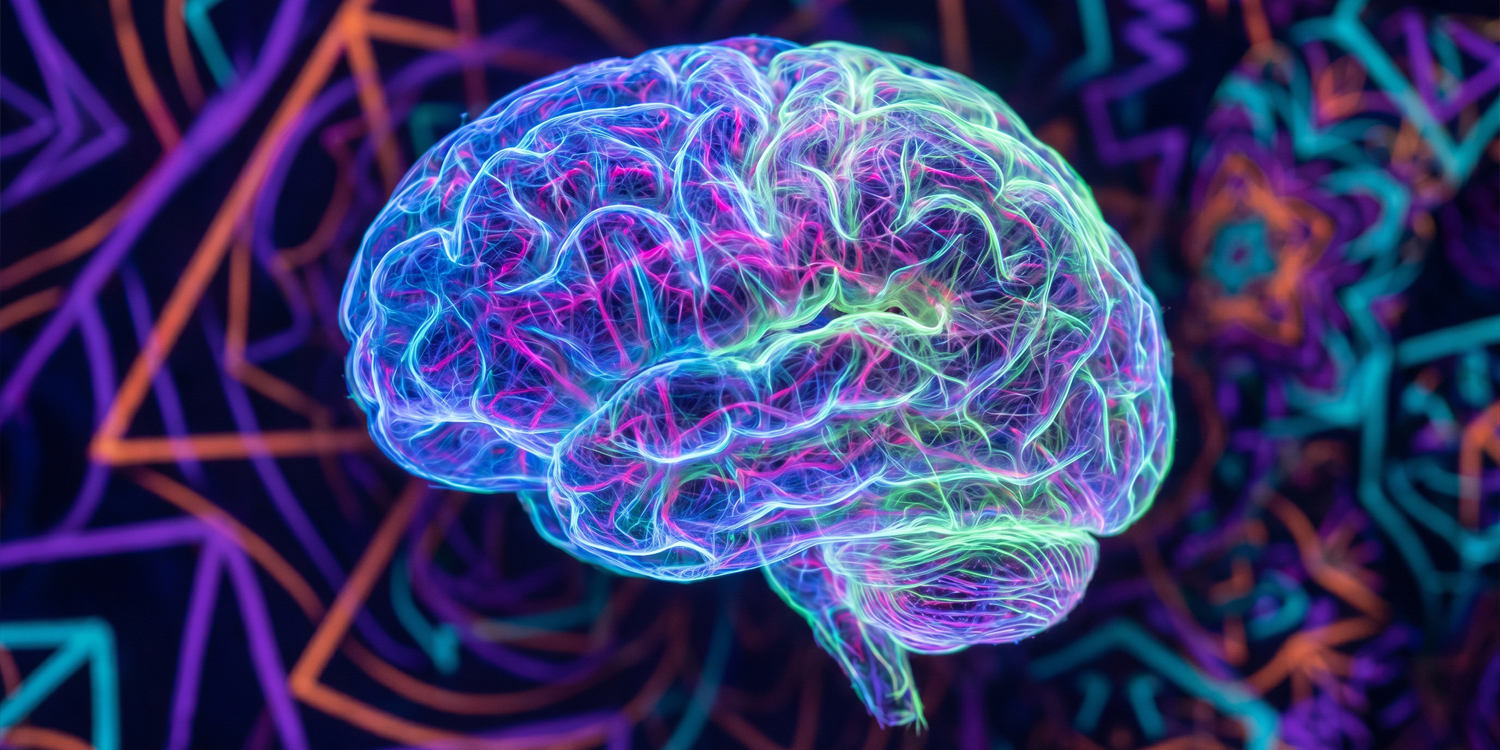
A single dose of psilocybin provides months of relief from chronic suicidal thoughts in new study
Posted: 6/14/2026A recent study in The Journal of Clinical Psychiatry suggests that a single dose of psilocybin, paired with psychological support, may rapidly and safely reduce chronic suicidal thoughts in adults with severe, treatment-resistant depression.
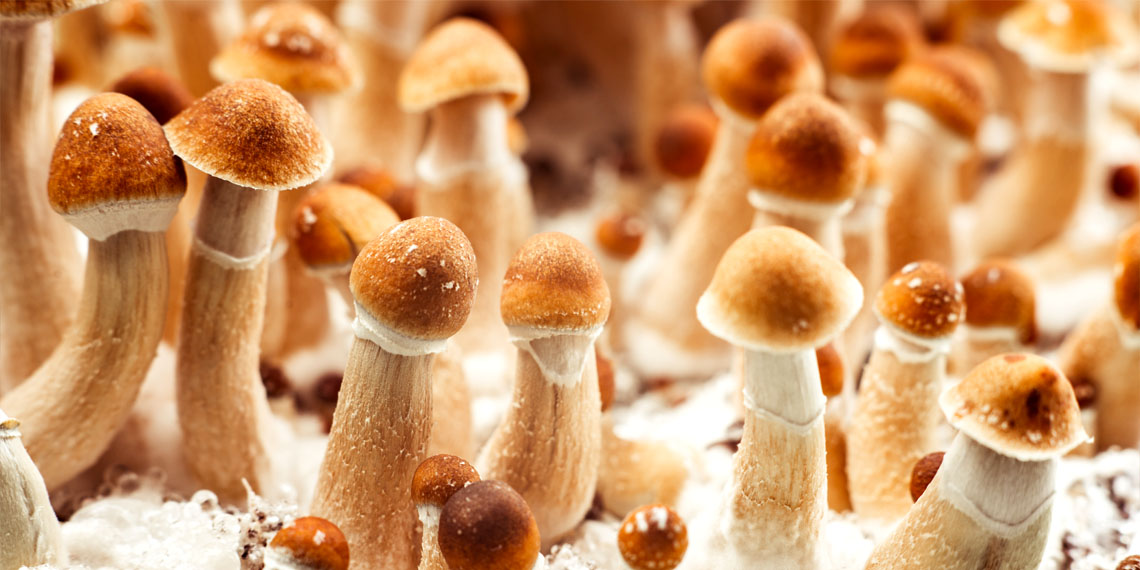
Psychedelic therapy standardized for clinical depression shows massive promise in pilot trial
Posted: 6/8/2026A new pilot study suggests that combining the psychedelic compound psilocybin with cognitive behavioral therapy is well-tolerated and highly effective at reducing symptoms of clinical depression. Researchers observed profound improvements in patients' moods and emotional regulation.
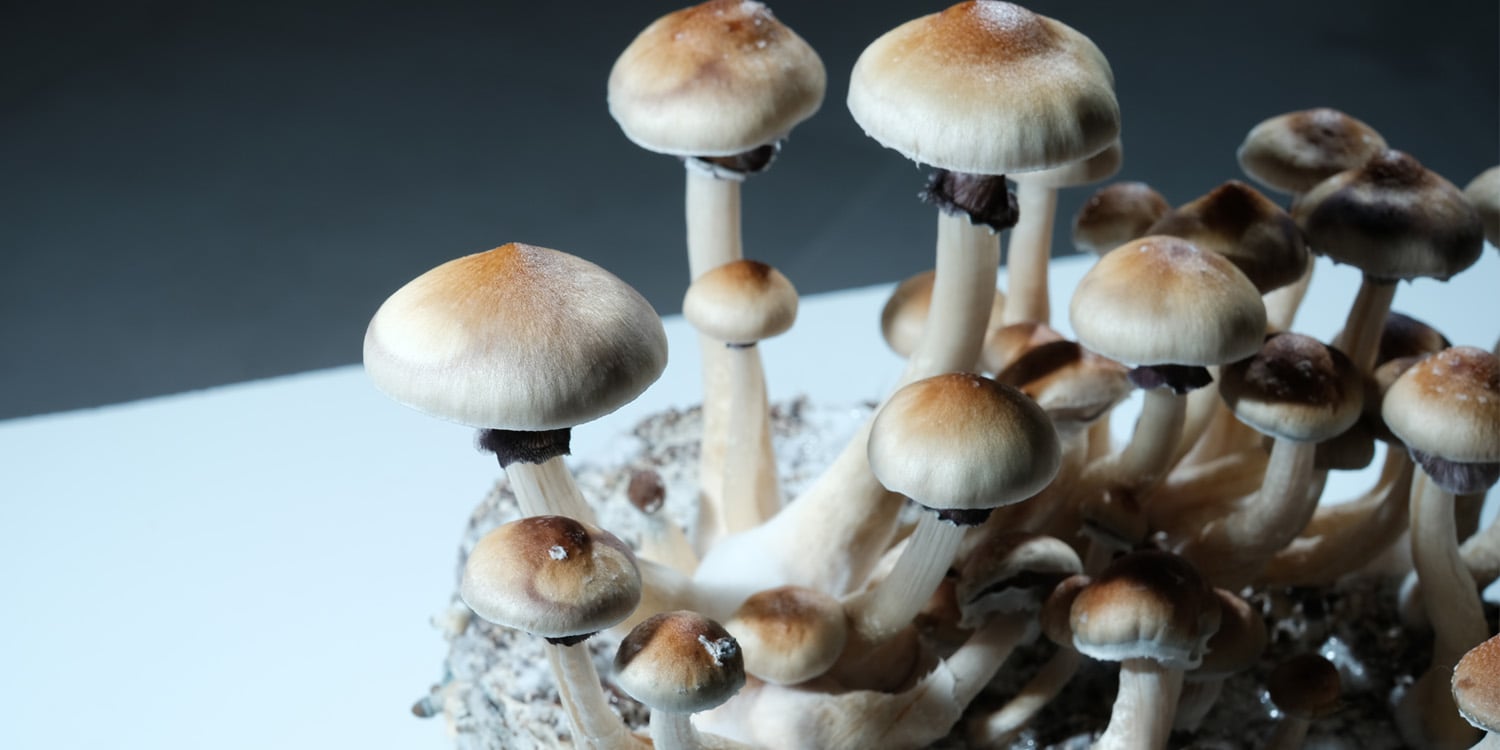
Who is using psilocybin? First national survey reveals demographics of magic mushroom users
Posted: 6/7/2026A major national survey reveals that 2.8% of Americans over the age of 12 used psilocybin in 2024. The study found strong links between magic mushroom use, cannabis consumption, and recent struggles with depression.
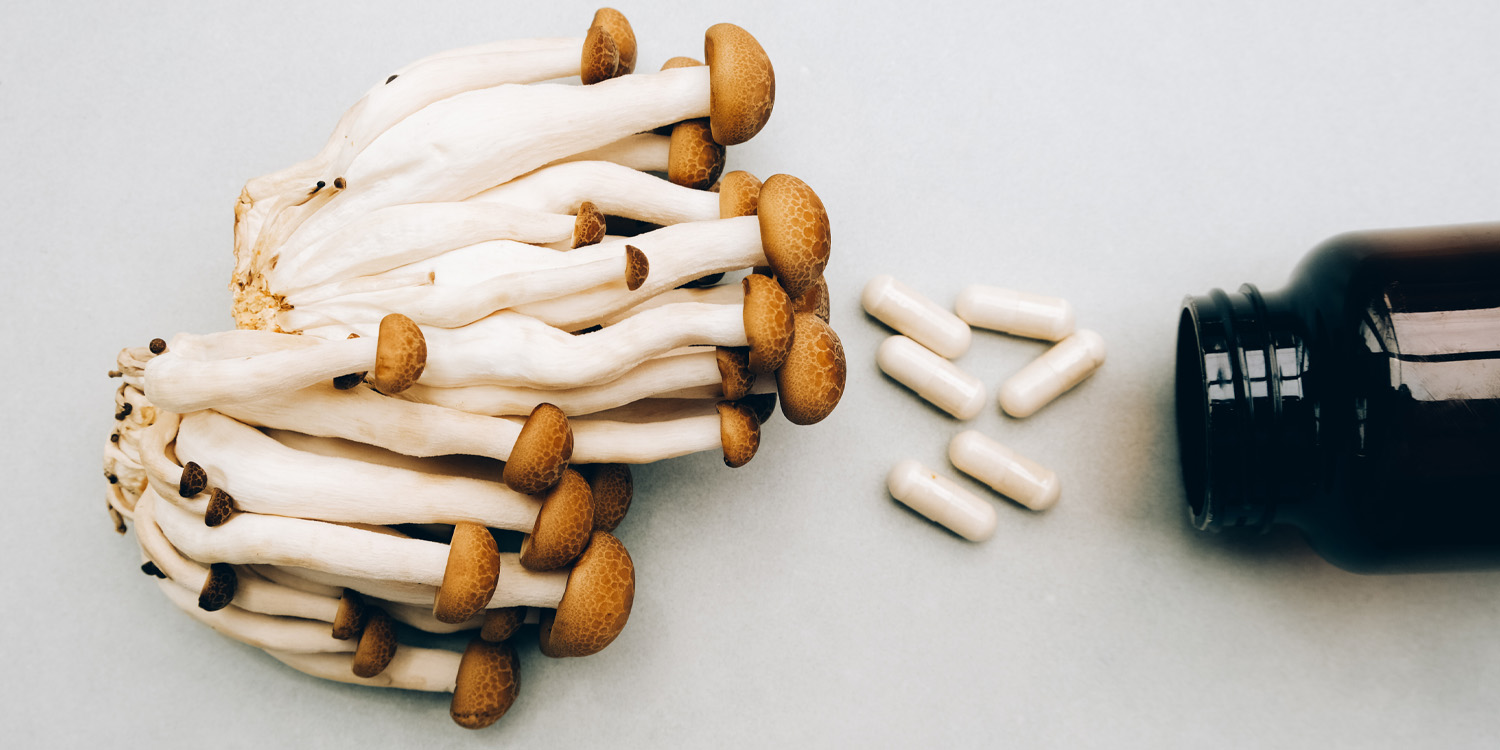
Magic mushroom compound enhances the effectiveness of a common nerve pain medication
Posted: 6/5/2026New research shows that psilocybin, the active compound in magic mushrooms, reduces chronic nerve pain in mice. It also significantly enhances the performance of common pain drugs, suggesting the psychedelic might fundamentally rewire how the brain processes pain.
The Mathematical Architecture of Altered Consciousness
Posted: 6/3/2026New research outlines a rigorous plan to map the mathematical architecture of human experience using the compound N,N-dimethyltryptamine (DMT).